
Welcome Home to Sensory Hospitality
Today, we dive into sensory hospitality at home: scents, lighting, and textures that elevate spaces, turning ordinary rooms into welcoming experiences. Expect practical ideas, quick rituals, and thoughtful details you can try tonight. Share what you test, invite friends into the experiment, and return for fresh weekly prompts that help your rooms feel kinder, calmer, and unmistakably yours.
Designing with the Senses in Mind
Small, repeatable cues create big emotional shifts: a whisper of citrus at the door, soft light falling across a chair, a nubby throw that invites a pause. Sensory hospitality blends aesthetics with psychology, shaping memory and behavior without fuss. Start modestly, notice reactions, and refine. Your home becomes an unspoken host—welcoming you after long days, supporting focused work, and nudging restful evenings with grace instead of effort.

The Science of First Impressions
First impressions form in seconds, driven by scent and light reaching ancient parts of the brain. A gentle aroma and warm, indirect glow lower defenses and shorten the distance between visitor and comfort. When I replaced a harsh entry bulb with a dimmable lamp and a subtle green-tea diffuser, conversations naturally moved past the hallway quicker, carrying curiosity rather than hesitation, and dinners began with easy laughter.

Hospitality for Yourself, Every Day
Design for your daily return as thoughtfully as you would for a guest. Keep one consistent greeting—perhaps eucalyptus by the entry, a textured mat underfoot, and an adjustable sconce that meets you softly. These cues become anchors after hard days. They say, without words, you belong here, you are safe, and restoration is available now. When morning comes, switch scents to something bright, letting routines reset mood with minimal effort.
Curating Signature Scents for Every Room

Layering Fragrance Safely and Softly
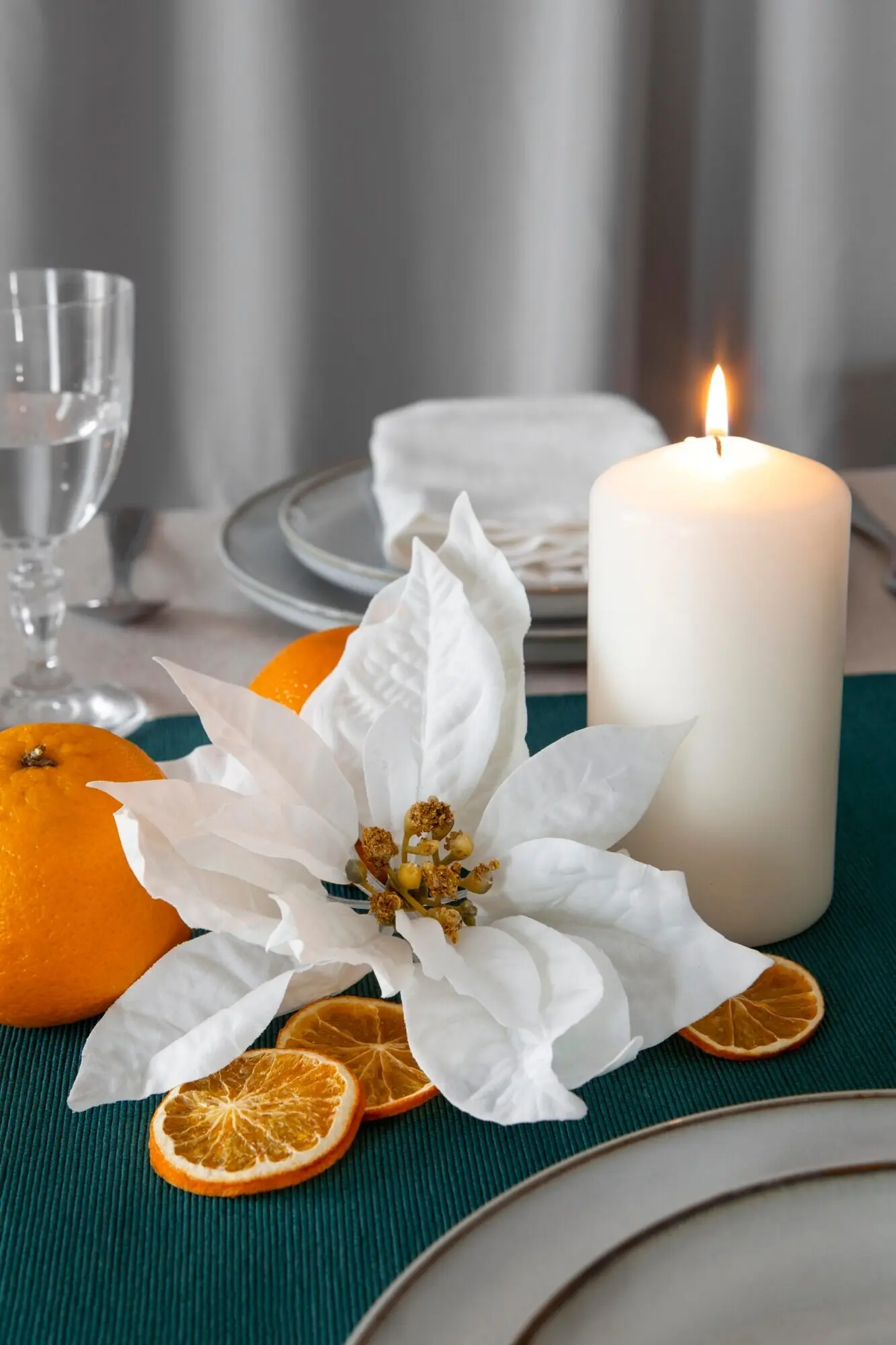
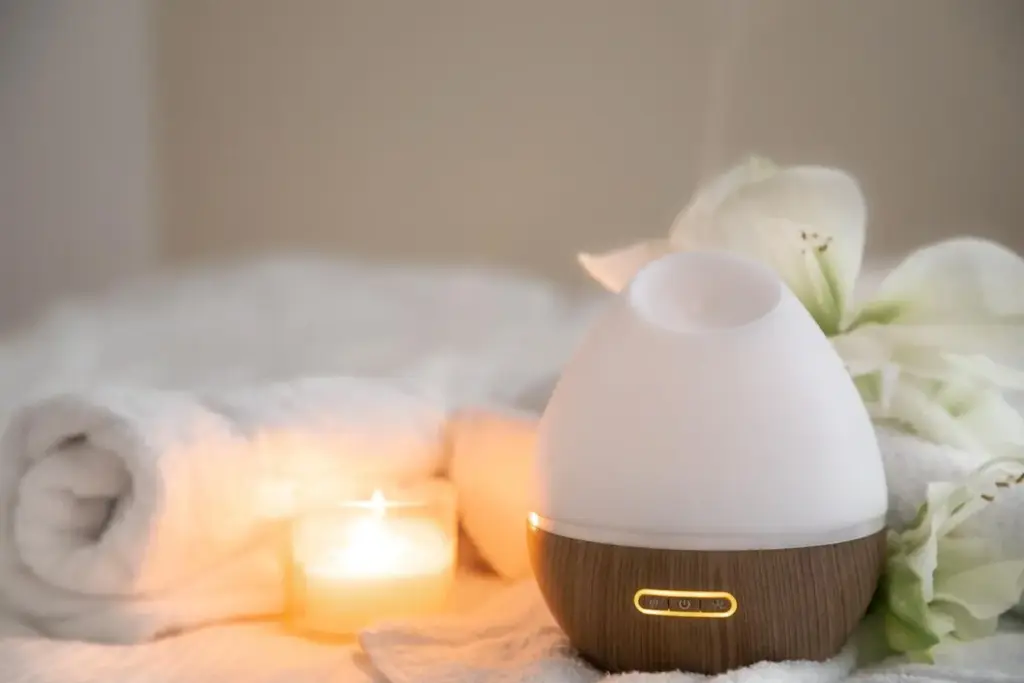
Combine approaches gently: a low-output diffuser sets the scene, a candle punctuates the evening, and a quick linen mist refreshes textiles. Ventilate between layers to avoid heaviness, and choose high-quality waxes and oils for cleaner air. Rotate notes weekly to reduce nose fatigue. Keep wicks trimmed, test for headaches, and honor quiet noses; hospitality respects comfort first. A small bowl of citrus peels can brighten a room without any flame.
Seasonal Aromatic Stories
Let seasons guide aromatic choices: spring with green tea, mint, or neroli; summer with basil, lime, or tomato leaf; autumn with cedar, cardamom, or clove; winter with pine, frankincense, or smoked vanilla. Tie scents to rituals—laundry day, reading hour, or family brunch—so fragrance supports memory. I keep a tiny card on the fridge noting current blends, making mindful selection easy. Guests often ask for the week’s recipe and copy it home.
Scent Etiquette for Gatherings
For dinners, choose delicate, food-compatible notes—think herbal, citrus, or subtle woods—and extinguish candles before serving to protect flavor. Offer an unscented bathroom option and ventilate bedrooms. Place testers out of reach of curious pets. If someone signals sensitivity, pivot instantly to open windows and unscented hand soap. True welcome prioritizes ease. Follow up with a friendly message asking what worked; these conversations refine your practice and make future visits smoother.
Crafting Light That Shapes Mood and Function
Light is architecture’s quiet collaborator, balancing visibility with atmosphere. Layer ambient, task, and accent sources, then tailor color temperature for time of day. Warm evening light helps bodies unwind, while cooler tones support focus earlier. Dimmers stretch possibilities without extra fixtures. Bounce glow off walls, hide bulbs from direct view, and let shadows add depth. Thoughtful placement transforms the ordinary into cinematic calm that people feel before they notice why.
Touch-Friendly Textures That Invite Comfort
Texture translates visually but persuades through skin. Mix rough with smooth, matte with sheen, and dense with airy to guide behavior—linger here, glide there. Natural fibers breathe and age gracefully; synthetics add durability where needed. Place tactile cues along pathways, tabletops, and seats. A well-chosen throw or knotted rug can slow the pace of a room. People remember how your space felt under their hands far longer than a paint color.
Textile Pairings That Breathe
Blend linen, cotton, and wool to balance crispness with warmth. Use linen curtains for airy movement, cotton for easy-care pillows, and wool throws for weight and calm. Keep a tactile spectrum: waffle towels, bouclé cushions, smooth leather trays. Rotate covers seasonally to match climate and scent shifts. Store extras in plain sight for grab-and-rest moments. Guests feel permitted to settle when textures signal durability, cleanliness, and obvious, welcoming use.
Hard Surfaces, Soft Edges
Countertops, tables, and floors carry daily workload, but their finish dictates comfort. Honed stone, oiled wood, and powder-coated metals resist glare and soften touch. Add edge profiles that meet the forearm kindly. Underfoot, layer a natural-fiber rug over a denser pad for resilience and quiet. A single wooden tray on a glossy table tones down reflections and invites hands to land, protecting surfaces while warming the scene perceptibly.
Care and Longevity Rituals
Hospitality thrives when maintenance is simple. Choose washable cushion covers, lint-friendly weaves, and colors that forgive crumbs between cleans. Keep a soft brush, fabric shaver, and gentle soap close, turning care into brief weekly rituals. Vacuum rugs slowly along pile direction, and sun-bathe cushions occasionally to freshen naturally. When guests notice intact textures months later, they feel honored by continuity. Durability is generosity extended into the future without grandstanding.
Designing a Thoughtful Arrival and Farewell
Map the emotional journey from the sidewalk to the sofa and back again. A clear path, soft light, and a mild greeting scent signal ease long before words. At goodbye, transition to clarity—brighter light, neutral air—so lingering feels optional. A handwritten card near the door, a tiny snack bowl, or a small lavender sachet to take home extends kindness. People remember beginnings and endings; make both gentle and intentional.
Sustainable, Inclusive, and Safe Sensory Choices
Hospitality shines when it cares for bodies and the planet. Favor clean-burning candles, verified oils, and bulbs that sip energy. Provide unscented alternatives and quiet corners for sensory breaks. Label ingredients and test new products before gatherings. Refill vessels, compost botanicals, and recycle packaging. Invite guests to share preferences in advance. When everyone feels considered—from allergy needs to light sensitivity—the entire home gains credibility, warmth, and lasting trust without sacrificing beauty.
All Rights Reserved.